


In a world rich with diverse cultures and languages, few languages capture the essence of tradition, modernity, and vibrancy quite like Hindi.
Hindi is spoken by millions across India and is increasingly recognized on the global stage, Hindi is not just a language; it’s a gateway to a world of art, culture, and rich heritage. Whether you’re drawn to the captivating melodies of Bollywood music, the intricate flavors of Indian cuisine, or the warm hospitality of its people, learning Hindi opens doors to a plethora of experiences and opportunities.
If you already know how to learn Hindi and want to go straight to reading our recommendations and Hindi resource reviews, you may want to check these posts out:







In this beginner’s guide, we embark on a journey to unravel the beauty and complexity of Hindi. From its rich history to its practical applications in today’s interconnected world, we delve into the fundamentals of the language, equipping you with the tools and knowledge needed to navigate conversations, express yourself, and immerse in the cultural tapestry of Hindi-speaking communities.
Join us as we embark on this linguistic adventure, where each lesson brings us closer to unlocking the secrets of Hindi and discovering the boundless possibilities that come with embracing a new language. Whether you’re a traveler eager to explore India’s bustling streets, a language enthusiast seeking new horizons, or simply someone enchanted by the allure of Hindi, this guide is your passport to a world of linguistic and cultural discovery.
Learn Hindi online on your own with these tips, strategies, and recommendations. How to Learn Hindi? Where to Learn Hindi? Hindi Script? Find out here.
Table of Contents
Why Learning Hindi is Your Next Great Adventure
Hindi is more than just a language—it’s a gateway to one of the richest cultural, historical, and culinary traditions on the planet. With over 600 million speakers worldwide, Hindi offers an opportunity to connect with a vibrant and diverse world. Whether you’re mesmerized by Bollywood’s glamour, enchanted by India’s centuries-old poetry, or intrigued by its deep philosophical roots, learning Hindi promises a journey as colorful as the country itself.
For anyone with a love of history and a knack for spotting connections, Hindi’s ties to the ancient Sanskrit language and its shared roots with other Indo-European languages make it an exciting puzzle to unravel. Add to that India’s incredible food scene, and you’ll find that every word learned comes with a story, a flavor, or a memory.
6 Fascinating Facts About Hindi
- One of the Most Spoken Languages Globally
Hindi is the fourth most spoken language in the world, making it incredibly useful for travel, business, and cultural immersion. From bustling Delhi markets to serene Himalayan villages, knowing Hindi allows you to connect deeply with millions of people. - Devanagari Script
Written in the elegant Devanagari script, Hindi is as visually beautiful as it is logical. The horizontal line, or Shirorekha, running across the top of letters gives the script its signature style. Once you start recognizing its flowing characters, it feels like decoding a piece of art. - A Language of Poets and Philosophers
Hindi boasts a literary tradition that spans centuries, from the soulful verses of Kabir and Tulsidas to the poignant stories of Premchand. By learning Hindi, you gain access to a treasure trove of thought and expression that captures the essence of India’s history and spirit. - Shared Roots with English
Both Hindi and English belong to the Indo-European language family, which means you’ll encounter familiar-sounding words. Terms like guru, karma, and jungle have already made their way into English, giving you a head start on vocabulary. - Bollywood’s Global Appeal
Bollywood, the world’s largest film industry, is synonymous with Hindi. From melodious songs to dazzling dance numbers, understanding Hindi lets you fully immerse yourself in the magic of Bollywood, with all its humor, drama, and unforgettable music. - Diversity Within the Language
As a standardized form of Hindustani, Hindi shares many similarities with Urdu, creating a bridge to another rich language and culture. Its dialects add even more layers of diversity, making every region of India a unique linguistic experience.
Loanwords to English
Do you wear pajamas to bed? Then you use a Hindi word regularly. The word for English word for nightwear comes from the Hindi word pajama which was imported from the Persian words for ‘leg clothes.’
Perhaps you know someone who has a cushy job? To a Hindi speaker, you’re describing their job as being ‘pleasant’ or ‘nice’ as English borrowed ‘cushy’ from khush.
If your grandparents live in a bungalow with a veranda, then they have a whole home system set up with Hindi words.
Thanks in a large part to British colonialism in India, a lot of Hindi words have been borrowed into everyday English, so your Hindi vocabulary is already larger than you think!
Hindi Language: A History
The history of the Hindi language is deeply intertwined with the cultural, social, and linguistic evolution of the Indian subcontinent. Hindi, along with its close relative Urdu, belongs to the Indo-Aryan branch of the Indo-European language family and has a rich and diverse history spanning over several millennia.
The roots of Hindi can be traced back to the ancient Indo-Aryan languages spoken by migrants who entered the Indian subcontinent around 1500 BCE. These languages evolved over time, influenced by contact with other linguistic groups in the region.
Sanskrit, the ancient liturgical language of Hinduism and classical Indian culture, exerted a significant influence on the development of Hindi. Many words and grammatical structures in Hindi are derived from Sanskrit.
During the medieval period, Hindi underwent further evolution due to interactions with Persian and Arabic, primarily through the Muslim conquests of North India. This led to the development of a new literary form known as “Hindavi,” which later evolved into Hindi and Urdu.
The Bhakti movement, which flourished between the 14th and 17th centuries, played a crucial role in shaping Hindi literature and language. Bhakti poets composed devotional songs and verses in vernacular languages, including Hindi, making religious texts accessible to the masses.
The arrival of European colonizers, particularly the British, had a profound impact on Hindi. English loanwords entered the language, and Hindi began to develop a distinct literary tradition under the patronage of British-educated elites.
In the 19th and 20th centuries, efforts were made to standardize Hindi and promote it as a national language of India. The Nagari script, derived from the ancient Brahmi script, was adopted as the official script for Hindi, leading to greater uniformity in written communication.
After India gained independence in 1947, Hindi was declared one of the official languages of the country. The Indian government has since played a proactive role in promoting Hindi as a means of national integration while also respecting the linguistic diversity of the country.

Taj Mahal, India. Photos from Britannica.com
Loanwords in Hindi
Hindi, like many languages, has borrowed words from various languages over its long history of development and interaction. Some of the major languages from which Hindi has borrowed words include:
Sanskrit: As Hindi is descended from Sanskrit, it naturally shares a significant vocabulary with its ancient ancestors. Many technical, scientific, and philosophical terms in Hindi are derived directly from Sanskrit.
धर्म (dharma) – meaning “duty” or “religion.”
विद्या (vidyā) – meaning “knowledge” or “education.”
मनुष्य (manuṣya) – meaning “human” or “man.”
Persian/Arabic: During the medieval period, Persian and Arabic words entered Hindi through cultural and trade interactions, as well as through the influence of Islamic rule in North India. These borrowings include terms related to administration, literature, religion, and everyday life.
इंतज़ार (intezār) – meaning “wait” or “anticipation” (from Persian).
ज़िंदगी (zindagī) – meaning “life” (from Persian).
ख़ुशबू (ḵẖušbū) – meaning “fragrance” or “scent” (from Persian).
Turkish: With the advent of Turkish invasions and subsequent rule in parts of North India, Hindi absorbed a number of Turkish loanwords, particularly in areas related to governance, military, and administration.
सिपाही (sipāhī) – meaning “soldier” or “constable.”
जमींदार (jamīndār) – meaning “landlord” or “landowner.”
चायवाला (chāyvālā) – meaning “tea seller” or “tea vendor.”
English: In more recent times, especially during the British colonial period and its aftermath, English loanwords have become increasingly prevalent in Hindi, particularly in fields such as technology, education, administration, and popular culture.
टेलीविज़न (ṭelivizan) – meaning “television.”
कॉलेज (kolej) – meaning “college.”
इंटरनेट (inṭarnet) – meaning “internet.”
Portuguese: Some Portuguese words made their way into Hindi during the colonial period, especially in coastal regions where Portuguese traders and missionaries had significant influence. These borrowings are relatively limited but still present in certain domains.
अल्मीरा (almīrā) – meaning “wardrobe” or “cupboard.”
बालचीनी (bālcīnī) – meaning “cinnamon.”
ज़िन्दगी (zindagī) – meaning “life” (originally from the Portuguese “viver”).
Indigenous Indian Languages: Hindi has also borrowed words from various indigenous languages of India, particularly those spoken in the regions where Hindi is prevalent. These borrowings include terms related to local flora, fauna, food, cultural practices, and social customs.
आम (ām) – meaning “mango” (borrowed from Sanskrit via Marathi).
सार्सों (sārsō) – meaning “mustard” (borrowed from Sanskrit via Punjabi).
पगड़ी (pagṛī) – meaning “turban” (borrowed from Marathi or Punjabi).
How to Learn Hindi: Hacking Hindi for English Speakers
Embrace the Hindi Script
One of the first challenges English speakers encounter when learning Hindi is mastering the Devanagari script. While it may seem daunting at first, embracing the script is crucial for developing fluency in reading and writing Hindi.
The Devanagari script has its roots in the Brahmi script, one of the oldest writing systems in the Indian subcontinent. It evolved from the Gupta script during the 7th century CE and became standardized by the 14th century. Over time, Devanagari emerged as the primary script for Sanskrit and several modern Indian languages.
The Devanagari script consists of 47 primary characters, including vowels and consonants. Each character represents a specific sound, and the script is written from left to right. Vowels are typically written as independent characters, while consonants are often combined with vowel symbols to form syllables.
The Hindi Alphabet
Hindi’s Devanagari script traditionally recognizes 13 vowels and 33 consonants, making it phonetic and straightforward to pronounce once you grasp the basics. Here’s a glimpse:

Unique Features:
- Horizontal Line: The Shirorekha connects letters, giving Hindi its distinctive appearance.
- Phonetic Nature: Words are pronounced exactly as they’re written, making pronunciation consistent once you learn the rules.
- Conjunct Consonants: Some letters combine into clusters, adding depth and beauty to the script.
One distinctive feature of Devanagari is the use of conjunct consonants, where two or more consonants are combined to form a single character (such as ksh). This feature allows for the representation of complex consonant clusters commonly found in Hindi and other Indian languages.
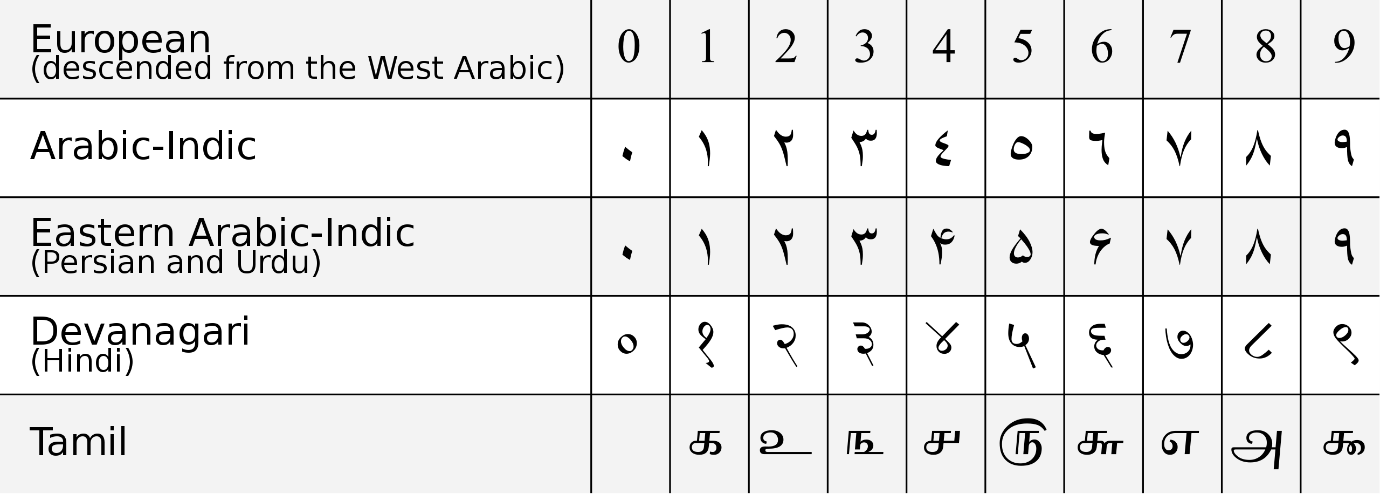
Hindi Numbers
In addition to letters, Devanagari script also includes a set of numerals used for writing numbers. These numerals are distinct from Arabic numerals and have their own unique symbols.
Learn to Speak Hindi by Practicing Regularly
Like any skill, speaking Hindi requires regular practice to improve fluency and confidence. Find language exchange partners or join language meetup groups to practice speaking with native speakers.
Don’t be afraid to make mistakes; embracing imperfection is an essential part of the learning process. Use everyday situations, such as ordering food or shopping, as opportunities to practice speaking Hindi in real-life scenarios.
As we have seen, Hindi has a phonetic alphabet, meaning that each letter represents a specific sound, with relatively consistent pronunciation rules. This makes it easier for learners to read and pronounce Hindi words once they understand the sounds associated with each letter.
Hindi has 11 vowels, which can be short or long. Short vowels are pronounced briefly, while long vowels are held for a longer duration. The vowels are:
– Short: अ (a), आ (ā), इ (i), ई (ī), उ (u), ऊ (ū), ए (e), ऐ (ai), ओ (o), औ (au)
– Long: आ (ā), ई (ī), ऊ (ū), ए (ē), ओ (ō), औ (au)
Hindi has 33 consonants, each with its own unique pronunciation. Some consonants have aspirated and unaspirated versions, which affect their pronunciation. For example, the unaspirated “p” is pronounced like the English “p” in “spin,” while the aspirated “ph” is pronounced with a puff of air, similar to the English “p” in “pit.”
Hindi includes nasalized sounds, indicated by a dot or bindu (ं) called “anusvara” or “nukta,” which nasalizes the preceding vowel or consonant. For example, the word मंगल (mangal) has a nasalized “ng” sound.
In Hindi, stress typically falls on the first syllable of a word. However, stress patterns may vary in certain words or due to regional accents.
Basic Hindi Phrases for Beginners
Here are some essential Hindi phrases to help you get started:
- Namaste! – Hello
- Aap kaise hain? (to a man) / Aap kaisi hain? (to a woman) – How are you?
- Dhanyavaad / Shukriya – Thank you
- Maaf kijiye – Sorry / Excuse me
- Haan / Nahin – Yes / No
- Mera naam … hai – My name is…
- Kya aap angrezi bolte hain? – Do you speak English?
- Shauchalay kahan hai? – Where is the restroom?
- Phir milenge! – See you again!
Focus on High-Frequency Hindi Words
When building your vocabulary, prioritize high-frequency words that are commonly used in everyday conversation. Start with basic greetings, expressions, and common phrases, then gradually expand your vocabulary to include more advanced words and concepts. Language learning apps like Anki or Quizlet can help you create flashcards and quizzes to reinforce vocabulary retention.
High-frequency words in Hindi are those words that appear frequently in everyday conversation, writing, and communication. These words form the backbone of the language and are essential for understanding and expressing oneself effectively.
Some of the highest-frequency words in Hindi include:
1. और (aur) – and
2. क्या (kyā) – what
3. है (hai) – is/am/are
4. मैं (main) – I/me
5. तुम (tum) – you (informal)
6. हूँ (hūn) – am/is/are (for first person singular)
7. हैं (haiṅ) – are (for third person plural)
8. नहीं (nahīṅ) – no/not
9. को (ko) – to/for
10. कर (kar) – do/make
11. यह (yah) – this
12. वह (vah) – that
13. हम (ham) – we/us
14. उनका (unkā) – their
15. उन्हें (unheṅ) – them
16. से (se) – from/by
17. पर (par) – on/at
18. कहाँ (kahāṅ) – where
19. कैसे (kaise) – how
20. कब (kab) – when
These words are fundamental building blocks of Hindi language proficiency and are encountered frequently in everyday communication. Mastering these high-frequency words is essential for beginners as they provide a strong foundation for further language learning and fluency development.
Get to grips with grammatical gender
Yes, Hindi does have grammatical gender, although it operates differently from gender systems found in some other languages like French or German.
In Hindi, nouns are classified into two grammatical genders: masculine (पुल्लिंग) and feminine (स्त्रीलिंग).
Masculine Gender (पुल्लिंग)
Nouns that denote male beings or objects are typically classified as masculine. For example:
– लड़का (laṛkā) – boy (masculine)
– पेड़ (peṛ) – tree (masculine)
Feminine Gender (स्त्रीलिंग)
Nouns that denote female beings or objects are classified as feminine. For example:
– लड़की (laṛkī) – girl (feminine)
– मछली (machlī) – fish (feminine)
– गाड़ी (gāṛī) – car (feminine)
Noun Agreement
Adjectives, pronouns, and verbs in Hindi agree with the gender of the noun they modify or refer to.
For example:
– मेरा लड़का (merā laṛkā) – my son (masculine)
– मेरी लड़की (merī laṛkī) – my daughter (feminine)
– वह पुस्तक पढ़ रहा है। (vah pustak paṛh rahā hai) – He is reading a book. (masculine)
– वह पुस्तक पढ़ रही है। (vah pustak paṛh rahī hai) – She is reading a book. (feminine)
Exceptions
While many nouns in Hindi have obvious gender distinctions, some nouns do not follow conventional gender patterns. These nouns may have fixed grammatical gender regardless of the biological gender (or lack thereof) of the object they represent.
– सूरज (sūraj) – sun (masculine)
– चाँद (chāṇd) – moon (masculine)
– मिट्टी (miṭṭī) – soil/earth (feminine)
Understanding grammatical gender is essential for proper agreement and communication in Hindi. While it may seem complex to learners accustomed to languages without gender systems, such as English, practice, and exposure to the language help in mastering this aspect of Hindi grammar.

Zanskar Valley, Leh-Ladakh in Northern India. Photo by – incredibleindia.org
Challenges of Learning Hindi
Every language has its hurdles, and Hindi is no exception:
- Complex Grammar: Hindi features gendered nouns, postpositions, and verb conjugations that take time to master.
- Pronunciation: Aspirated consonants like ph and bh can feel unfamiliar at first.
- Script Mastery: Devanagari might look intimidating, but its logical structure makes learning rewarding.
- Dialects and Variations: India’s linguistic diversity means regional dialects can vary widely, though Standard Hindi is widely understood.
Why Learning Hindi is Worth It
Learning Hindi is more than just a skill—it’s an invitation to explore one of the most dynamic cultures in the world. Imagine wandering through India’s vibrant markets, savoring street food like golgappa or jalebi, and sharing conversations with locals in their native tongue. From Bollywood’s glamour to the timeless wisdom of ancient texts, Hindi is a bridge to unforgettable experiences.
As someone who loves history and flavors that tell a story, I find Hindi endlessly fascinating. Each word is a piece of a much larger puzzle, connecting you to the people, traditions, and soul of India. Ready to say “Namaste” to your next big adventure?
Learning Hindi can also serve as a bridge back to your heritage. Many 2nd and 3rd generation members of the Indian diaspora choose to learn Hindi to communicate with relatives, better understand traditions, or reconnect with an important part of their identity after experiencing heritage language loss.
Where to Learn Hindi
Find Online Resources
There are so many online resources available for helping to learn Hindi and it can be hard to know where to start. Luckily, we have already tested dozens and put together a list of recommendations to help you get started:
Best apps: https://www.alllanguageresources.com/best-apps-for-learning-hindi/
Best courses: https://www.alllanguageresources.com/hindi-courses/
Best podcasts: https://www.alllanguageresources.com/hindi-podcasts/
We also recommend this course from Hindustani Tongue, which describes itself as “a language learning platform that focuses on teaching Indian languages in such a way that people from every age group can learn effectively and can speak the language from the very first day.”
Hindi Learning Apps
Ling

Ling is a gamified language-learning app with courses on over 60 different languages. Practice happens through short themed lessons, making for convenient and entertaining study time. It isn’t the most comprehensive resource out there, especially for more popular languages, but it can make a decent way to get started with a less common language.
See our Super-Detailed Ling Review
Drops App

Drops is a phone app for iPhone and Android that covers 50 languages. Daily games test the user on thousands of vocabulary words, and many of these words are ideal for everyday use. Drops has an entertaining, user-friendly interface, but it also lacks grammar lessons, and it works better for some languages than others. For anyone looking to supplement their vocab lessons, this app is worth considering; however, the free version might be more worthwhile than the paid version.
See our Super-Detailed Drops App Review
Clozemaster

Ideal for people who are already at an upper beginner/intermediate level, Clozemaster will help you build your vocabulary and learn new words and sentences in context. While you won’t learn much grammar or improve your speaking and writing much, it is great at what it does and the videogame aspect makes it fun and addictive to work though. Although the exercises are all pretty much identical, there are various ways in which you can increase the difficulty and Clozemaster’s free account is almost as good as the Pro User one.
See our Super-Detailed Clozemaster Review
Scripts by Drops

Although it has a flashier interface, Scripts by Drops offers similar content to Write it! and Write Me. However, unlike these other apps, which sound out the name of each character, Scripts by Drops seems to focus on how the letter would sound if it were in a sentence. For example, instead of pronouncing the Hebrew character ב (vet or bet) you will hear /v/ or /b/. You can practice writing different characters with your fingers, and there are a variety of fast-paced activities to help you remember the different alphabets. Under the same membership as Scripts by Drops, you can also use the Drops app to learn and practice words that use your chosen alphabet. Similar to Write Me and Write It!, Scripts by Drops doesn’t seem to give much background about script. Also, some people may find the animation is too flashy and time-consuming; you can test Write it! (free), Write Me (paid lifetime access), and Scripts by Drops (monthly or lifetime access) to see which app best suits the language you are learning. For more comprehensive apps, check out Eggbun for Korean or Skritter for Chinese and Japanese.
See our Super-Detailed Scripts by Drops Review
Memrise

Memrise is a super popular language-learning app available online and on mobile. It functions much like a gamified flashcard app, and it offers a lot of content for free. A lot of the content is user-created, and there is a premium subscription that provides access to additional features. Memrise can be a great tool in your arsenal, but you’ll need more to learn a language seriously.
See our Super-Detailed Memrise Review
Beelinguapp

Beelinguapp makes it easier to read and listen to interesting content in a number of languages. You’ll find short stories, news, fairy tales, music, and more. Their side-by-side reading functionality highlights the sentence in the language you’re learning, as well as in a language you’re familiar with. The karaoke feature makes it easy to follow the audio with the written text. Some of the content and features are available for free, but there are also premium plans to unlock more.
See our Super-Detailed Beelinguapp Review
Lingodeer

Lingodeer may not be as well known as other language learning apps, but it’s actually better and cheaper than most of them. You’ll practice the language by completing lots of different types of exercises. They also include plenty of grammar explanations and opportunities to review what you’ve studied. All in all, it’s one of the better options for getting started learning a language.
See our Super-Detailed Lingodeer Review
Anki

It is the go-to app for free (except on iOS) Spaced Repetition System (SRS) flashcards. It has a simple user interface with various features that more hard-core users can dive into if they choose. Your flashcards will appear according to your natural forgetting curve; the app will test you in increasingly spaced out intervals, with more difficult cards appearing more than once in a session, while easier cards spacing out over weeks — or even months and years. An SRS system is the most effective way to drive information into your long-term memory. The cards can sync between the web, desktop app, and mobile versions to keep your flashcards updated and with you at all times.
See our Super-Detailed Anki Review
Quizlet

Quizlet is a flashcard-based learning system. Community-contributed flashcards are available for numerous languages. These vary in quality, but you can preview them to see how well they meet your needs. Each set of flashcards powers other activities: In Learn mode, you demonstrate your mastery of each word or phrase by using multiple choice to select the correct definition. There are also spelling and writing exercises. The spelling exercises can be frustrating, as they sometimes require the addition of alternate word endings that are not always pronounced by the speaker. A space-themed word game and a “Concentration”-style matching game inject some extra fun into your study time.
See our Super-Detailed Quizlet Review
Simply Learn

In Simply Learn, by Simya Solutions, you can search for and review over 1000 phrases in over 30 categories. It takes the typical phrasebook app one step further by allowing you to add your favorite phrases to SRS flashcards. Given that its developers also developed Ling, an additional, more comprehensive resource that supports language learning, it seems that Simply Learn is a supplementary app for individuals who need to learn basic phrases for traveling abroad. The creators don’t seem to have intended for people to use this app to learn a language in its entirety, but rather to support them in memorizing basic phrases for travel.
See our Super-Detailed Simply Learn Review
PortalLearn

PortalLearn is an app that teaches 9 Indian languages and aims to help you learn these languages through interactive stories. The languages offered include Hindi, Bengali, Tamil, Telugu, Malayalam, Punjabi, Kannada, Marathi and Gujarati. With this app, you can dive into captivating narratives, learning vocabulary and grammar naturally through context. Through these interactive stories, you can grasp language concepts, making the learning process more enjoyable and effective. These interactive stories and lessons focus on helping you hone your listening, reading, and comprehension skills.
See our Super-Detailed PortalLearn Review
Loecsen

Loecsen is a web based platform designed to make learning languages feel natural by offering immersive, bite-sized language courses that anyone can master. There are over 40 languages to learn including Arabic, English, French among others. It started out as an essential conversation guide for short stays abroad, but soon evolved to offer more comprehensive language courses.
Loecsen’s strengths are its nice visual aids to stimulate interest and encourage revision. It also uses clear, high-quality audio recordings and a voice recognition feature to help you practice and improve your pronunciation skills. By combining visual aids with clear audio pronunciation, Loecsen encourages you pick up the language naturally, just as you would through interaction with native speakers.
See our Super-Detailed Loecsen Review
Hindi Courses
Preply

Preply is an online educational platform that matches tutors with students. There are tutors on Preply offering instruction in a wide range of languages and other subjects. As a learner, you can find a tutor that works best for you by browsing their demo videos and filtering by price and rating. Each tutor’s teaching style is their own, but they all receive teacher trainings and resources to improve their style.
Exclusive 50% discount for ALR readers! Make sure to use our link to receive it.
See our Super-Detailed Preply Review
italki

italki is the most flexible and affordable place to find a tutor for the language you’re learning. They have a huge number of teachers offering classes to students of over 100 different languages. As a learner, you’ll be able to find a tutor that best fits your learning style, schedule, and personality. Teachers are able to set their own prices and make their own schedule.
See our Super-Detailed italki Review
Hindustani Tongue

Hindustani Tongue is a language resource that aims to make learning accessible and enjoyable for you. It has comprehensive courses in multiple Indian languages, including Hindi, Punjabi, Bengali, Marathi, Gujarati, Tamil, Telugu, Kannada and English.
Hindustani Tongue offers a comprehensive curriculum that covers all aspects of language learning, including grammar, vocabulary, pronunciation, and cultural context. The courses are carefully designed to cater to all levels. The lessons are offered in video format, either individually or as a group. Whether you’re a beginner or advanced learner, Hindustani Tongue ensures that you find the program that best suits your learning needs and goals. With their structured curriculum, you can track your progress and see tangible results as you advance.
See our Super-Detailed Hindustani Tongue Review
Verbling
Verbling is an online language-class marketplace where you can take lessons with teachers of your choice. It has some student-friendly extra features, including a built-in online classroom, flashcards, homework calendar, and a filing system for lesson materials. There are also useful but disorganized forums where you can discuss languages, share writing for critique, and do free language drills and exercises.
The lessons are generally high quality and well structured, plus the filters make it easy to find teachers who specialize in everything from accent reduction to interview preparation.
However, it can be slightly pricier than alternatives, so if you’re on a tight budget, you may want to look elsewhere. It also has fewer languages than some of the bigger competitors, so it might not be a good choice if you want to study Azerbaijani, Khmer, or Yoruba.
See our Super-Detailed Verbling Review
Pimsleur

Pimsleur is one of the most popular and longest-standing resources out there for learning a foreign language. Its courses place a strong emphasis on aural and verbal communication skills, paying less attention to grammar explanations and reading or writing skills. There are over 50 language courses available with Pimsleur, and the bulk of the material is taught with audio lessons.
Fall Savings Sale! Save up to 40% off Lifetime Subscriptions! See details on the website
See our Super-Detailed Pimsleur Review
Glossika

Glossika has learning resources for over fifty languages that impressively range from Armenian and Czech to Icelandic and Tagalog. While not suitable for absolute beginners, lower intermediates could use the resource to familiarise themselves with sentences in their language of choice using Glossika´s intuitive approach. Listening to native speakers and repeating what they say can help learners to improve their comprehension skills and spoken fluency. While it is amazing that so many languages are included, learners would have to use numerous other resources alongside it. The cost is unjustifiably high.
See our Super-Detailed Glossika Review
Rocket Languages

Rocket Languages is a comprehensive resource offering courses in several commonly learned languages. There’s a range of quality between the different language options. Some aren’t very good, some are worth looking at, but none of them are truly outstanding. While the material is often well-structured and full of practice opportunities, uninteresting content and repetitive exercises often keep the experience mediocre.
See our Super-Detailed Rocket Languages Review
HindiPod101

HindiPod101 offers audio and video lessons (though they’re mostly audio) for learning Hindi. They’re similar to a podcast with two hosts teaching the language with the help of natural dialogues. They take the time to explain key grammar points, vocabulary, interesting cultural information, and so on. Their tends to be more content for beginners and the lesson structure could be improved. As such, it’s better as a supplementary tool for improving your Hindi, rather than a standalone course.
Limited Time Offer! Use Code MONSTER2026 and get 45% OFF Basic, Premium or Premium PLUS plans! See details on the website. Offer ends 10/23/2026.
See our Super-Detailed HindiPod101 Review
Duolingo
Duolingo is a super popular free language-learning app. It’s available for desktop as well as mobile and offers over 90 different language courses in over 20 different languages — there are currently 35 languages with English instruction. The Duolingo approach is gamified and easy to use, but the bite-sized lessons don’t offer much in the way of in-depth practice. The Duolingo tag line is “Learn a language in just five minutes a day.”
See our Super-Detailed Duolingo Review
Mondly
Mondly is a language-learning app that teaches basic vocabulary and grammar structures. It seems most appropriate for learners with little to no exposure to their target language.
The activities mostly rely on passive recognition of vocabulary and phrases, and therefore are not very challenging. However, they are varied enough that you probably wouldn’t get bored with short, daily practice sessions.
Although I wouldn’t recommend Mondly to anyone looking to seriously learn a language, it may be appropriate for individuals studying languages with less available resources, or for individuals who are preparing to travel abroad.
See our Super-Detailed Mondly Review
Mango Languages

Mango Languages is a pretty good resource with numerous languages available along with their regional variations. It’ll work the best for beginners or for those interested in studying a few languages at the same time. Anybody past the intermediate level won’t find Mango Languages very useful.
See our Super-Detailed Mango Languages Review
Rosetta Stone
Rosetta Stone is one of the most well-known resources for learning languages. It takes an immersive approach to teaching and is widely used by corporations and individuals alike. High levels of repetition and an absence of translations or explanations are hallmarks of the course. Rosetta Stone course could be most suitable for learners that don’t mind repetitive exercises and prefer to learn from pictures and context rather than translations and explanations. It’s probably not a good option for anyone wanting to significantly improve their speaking or writing skills, or those looking for an engaging course.
ALR Readers Exclusive Holiday Deal!! Get the Lifetime Subscription for 25 languages for $179 (everywhere else it’s $199 right now!).
See our Super-Detailed Rosetta Stone Review
HelloTalk
HelloTalk is a mobile app for language learners interested in language exchange. It facilitates communication between native speakers and those learning their language with the use of built-in language tools. It also offers audio lessons in 10 languages as part of a separate subscription.
See our Super-Detailed HelloTalk Review
Busuu

Busuu is a digital language-learning app with over 90 million registered users. The resource offers vocabulary and grammar practice through short, self-paced study exercises. It also has a social aspect that allows users to get writing and pronunciation feedback from native speakers. It is available on the web, iOS, and Android.
See our Super-Detailed Busuu Review
Darvazah

Udemy is a helpful resource for many different topics of study, so there is a long list of Hindi courses on the platform, too. The classes have a money-back guarantee, but you also receive lifetime access to whichever courses you buy. The video format helps hone your listening and speaking skills, but many instructors offer written supplements, too.
See our Super-Detailed Darvazah Review
Udemy
Udemy is a helpful resource for many different topics of study, so there is a long list of Hindi courses on the platform, too. The classes have a money-back guarantee, but you also receive lifetime access to whichever courses you buy. The video format helps hone your listening and speaking skills, but many instructors offer written supplements, too.
Additional Hindi Resources
Bollywood movies
Bollywood is the informal term used to refer to the Hindi-language film industry based in Mumbai, India.
Renowned for its vibrant storytelling, colorful musical numbers, and star-studded productions, Bollywood is one of the largest and most influential film industries in the world.
The term “Bollywood” is a portmanteau of “Bombay” (the former name of Mumbai) and “Hollywood,” symbolizing the industry’s connection to the city of Mumbai and its inspiration from the American film industry.
Bollywood produces a vast array of films, including romance, comedy, drama, action, and musicals, catering to diverse audiences both within India and across the globe. With its rich cultural tapestry, larger-than-life narratives, and iconic song-and-dance sequences, Bollywood continues to captivate audiences and shape popular culture on a global scale.
There is a huge range of Bollywood films, each of which has garnered widespread popularity and acclaim, making them notable within the Indian film industry. Some of the most popular contemporary films include:
- “Shershaah”: Released in 2021, “Shershaah” is a biographical war drama film based on the life of Captain Vikram Batra, an Indian Army officer who was posthumously awarded the Param Vir Chakra, India’s highest wartime gallantry award. The film stars Sidharth Malhotra and Kiara Advani in lead roles and received positive reviews for its performances and portrayal of real-life events.
- “Ludo”: Directed by Anurag Basu, “Ludo” is a dark comedy anthology film released in 2020. The film features an ensemble cast including Abhishek Bachchan, Rajkummar Rao, Pankaj Tripathi, and others. “Ludo” received praise for its unique storytelling style, strong performances, and engaging narrative.
- “Sooryavanshi”: Directed by Rohit Shetty, “Sooryavanshi” is an action film released in 2021 as part of Shetty’s cop universe, which includes the “Singham” and “Simmba” franchises. Starring Akshay Kumar and Katrina Kaif in lead roles, the film follows an Anti-Terrorism Squad (ATS) officer as he battles terrorism in Mumbai. “Sooryavanshi” was highly anticipated and performed well at the box office.
- “Sooryavanshi”: Directed by Rohit Shetty, “Sooryavanshi” is an action film released in 2021 as part of Shetty’s cop universe, which includes the “Singham” and “Simmba” franchises. Starring Akshay Kumar and Katrina Kaif in lead roles, the film follows an Anti-Terrorism Squad (ATS) officer as he battles terrorism in Mumbai. “Sooryavanshi” was highly anticipated and performed well at the box office.
- “Radhe: Your Most Wanted Bhai”: A 2021 action film directed by Prabhu Deva and starring Salman Khan, “Radhe: Your Most Wanted Bhai” is a remake of the South Korean film “The Outlaws.” The film received mixed reviews from critics but attracted significant attention due to Khan’s star power and action sequences.
- “Sardar Udham”: Released in 2021, “Sardar Udham” is a biographical drama film directed by Shoojit Sircar and starring Vicky Kaushal in the titular role of Udham Singh, a revolutionary freedom fighter. The film explores Singh’s journey and his quest for justice following the Jallianwala Bagh massacre. “Sardar Udham” received critical acclaim for its performances, direction, and historical accuracy.
Indian soap operas
Indian soap operas, often referred to as “saas-bahu sagas” (mother-in-law and daughter-in-law dramas), are a prominent genre within Indian television programming.
Indian soap operas primarily focus on family dramas, with storylines centered around familial relationships, marriages, and generational conflicts. Themes such as love, betrayal, jealousy, and redemption are common, and the narrative often explores the complexities of familial bonds.
Many Indian soap operas are female-centric and revolve around the lives of women, particularly the central female protagonists who navigate various challenges and obstacles within the family and society. These characters often embody traditional values of sacrifice, resilience, and familial duty. With the prominence of women in Indian society in mind, soap operas frequently address social issues and taboos prevalent in Indian society, including dowry, domestic violence, gender inequality, and superstitions. While some serials aim to raise awareness and promote social change, others may reinforce existing stereotypes and norms.
Five very popular soap operas include:
- Kyunki Saas Bhi Kabhi Bahu Thi: This iconic soap opera, which aired from 2000 to 2008, was produced by Ekta Kapoor’s Balaji Telefilms and is considered one of the pioneers of the “saas-bahu saga” genre. The show revolved around the lives of the Virani family and their matriarch, Tulsi Virani, played by Smriti Irani. It enjoyed immense popularity and became one of the longest-running Indian television series.
- Kahaani Ghar Ghar Kii: Another immensely popular serial produced by Balaji Telefilms, “Kahaani Ghar Ghar Kii” aired from 2000 to 2008. The show depicted the trials and tribulations of the Agarwal family and their interconnected relationships. Sakshi Tanwar portrayed the central character of Parvati Agarwal, earning widespread acclaim for her performance.
- Kumkum Bhagya: This long-running soap opera premiered in 2014 and continues to enjoy high viewership. Produced by Ekta Kapoor, the show follows the love story of Abhi and Pragya, played by Shabir Ahluwalia and Sriti Jha, respectively. “Kumkum Bhagya” has garnered a loyal fan base and is known for its melodramatic plot twists and romantic storyline.
- Yeh Rishta Kya Kehlata Hai: Airing since 2009, “Yeh Rishta Kya Kehlata Hai” is one of the longest-running Indian television serials. Produced by Rajan Shahi, the show explores the lives of the Goenka and Singhania families, focusing on the marital relationship between the protagonists, Naira and Kartik, played by Shivangi Joshi and Mohsin Khan.
- Taarak Mehta Ka Ooltah Chashmah: While not a traditional saas-bahu saga, “Taarak Mehta Ka Ooltah Chashmah” is a hugely popular sitcom that has been entertaining audiences since 2008. Based on the column “Duniya Ne Undha Chashma” by journalist Taarak Mehta, the show depicts the humorous interactions and daily adventures of residents living in the Gokuldham Co-operative Housing Society.
Hindi Language Music
Hindi language music encompasses a diverse range of musical genres and styles, reflecting the rich cultural heritage and artistic expressions of India. From traditional folk music to contemporary film songs and independent music, Hindi music holds a prominent place in Indian culture and entertainment.
- Bollywood Music: Bollywood music, often characterized by its catchy melodies, vibrant rhythms, and lyrical storytelling, is perhaps the most recognizable genre of Hindi music. These songs are featured in Indian films, where they serve as integral components of storytelling and emotional expression. Bollywood music encompasses various styles, including romantic ballads, dance numbers, qawwalis, and folk-inspired tracks.
- Film Songs: Hindi film songs, commonly referred to as “filmi gaane,” are composed by music directors and sung by playback singers for inclusion in movies. These songs play a crucial role in enhancing the narrative, conveying emotions, and establishing the mood of a film. Iconic playback singers such as Lata Mangeshkar, Mohammed Rafi, Asha Bhosle, Kishore Kumar, and others have left an indelible mark on Hindi film music with their timeless contributions.
- Independent Music: In recent years, independent music in Hindi has gained prominence, with artists exploring diverse musical styles and themes outside the realm of Bollywood. Independent musicians and bands create original compositions and release them through various platforms, including streaming services, YouTube, and social media. This has provided a platform for experimentation, creativity, and artistic expression in Hindi music.
- Folk Music: India’s diverse cultural landscape is reflected in its rich tradition of folk music, which varies widely from region to region. Hindi folk music encompasses a myriad of styles, including Bhojpuri, Rajasthani, Punjabi, and Garhwali, among others. These traditional songs often celebrate local festivals, rituals, and customs, and are passed down through generations via oral traditions.
- Devotional Music: Bhajans, kirtans, and qawwalis are forms of devotional music that hold spiritual significance in Hindi culture. These songs are dedicated to various deities and saints and are performed in temples, shrines, and religious gatherings across India. Devotional music serves as a means of worship, meditation, and spiritual upliftment for millions of devotees.
- Pop and Rock Music: While not as prevalent as Bollywood or folk music, Hindi pop and rock music have carved out a niche for themselves in the Indian music scene. Bands and solo artists experiment with Western influences, blending elements of pop, rock, and Indian classical music to create unique sounds and styles.
Some of the most popular singers include:
- Arijit Singh Renowned for his soulful voice and versatility, Arijit Singh is one of the most prominent playback singers in the Hindi music industry. With numerous chart-topping hits to his name, Singh has captured the hearts of audiences with his emotive renditions of romantic ballads and peppy tracks. His collaborations with leading music composers and producers have contributed to his immense popularity.
- Atif Aslam Pakistani singer-songwriter Atif Aslam has carved a niche for himself in the Hindi music industry with his powerful vocals and heartfelt performances. Known for his chart-topping singles such as “Tera Hone Laga Hoon” and “Tere Bin,” Aslam has amassed a dedicated fan following across India and beyond.
- Neha Kakkar With her energetic stage presence and catchy songs, Neha Kakkar has emerged as one of the top female playback singers in Bollywood. From peppy dance numbers to soulful melodies, Kakkar’s versatile voice has made her a favorite among audiences of all ages. She has delivered numerous hits and has also gained popularity as a judge on reality singing competitions.
- Badshah Rapper and music producer Badshah has made a significant impact on the Indian music scene with his catchy beats and witty lyrics. Known for his chart-topping singles such as “DJ Waley Babu,” “Mercy,” and “Paagal,” Badshah has played a pivotal role in popularizing hip-hop and rap music in mainstream Bollywood.
- A.R. Rahman A.R. Rahman, often referred to as the “Mozart of Madras,” is a legendary composer, singer, and music producer who has left an indelible mark on the Hindi music industry. With his groundbreaking work in films such as “Roja,” “Dil Se,” and “Slumdog Millionaire,” Rahman has won numerous accolades, including Academy Awards and Grammy Awards, for his contributions to music.
- Shreya Ghoshal Shreya Ghoshal is one of the most celebrated playback singers in Bollywood, known for her melodious voice and impeccable vocal range. With numerous hit songs to her credit, Ghoshal has won several awards for her contributions to the Hindi music industry and continues to enthrall audiences with her soul-stirring performances.
Conclusion
In conclusion, embarking on the journey to learn Hindi opens up a world of rich cultural heritage, vibrant linguistic expression, and countless opportunities for connection and understanding. Whether you’re drawn to the beauty of Hindi literature, the excitement of Bollywood cinema, or the warmth of Indian hospitality, learning Hindi offers a gateway to experiencing the diverse tapestry of Indian culture firsthand. While mastering a new language requires dedication, patience, and practice, the rewards are immeasurable. As you immerse yourself in the study of Hindi, embrace the joys of discovery, celebrate your progress, and cherish the moments of connection with native speakers and fellow learners alike. With determination and enthusiasm, you’ll find yourself unlocking the door to a world of endless possibilities and enriching experiences. So, seize the opportunity to learn Hindi, and embark on a journey of language and cultural exploration that will leave a lasting impact on your life. शुभ यात्रा! (Shubh yatra! – Happy journey!)
FAQs
Is Hindi hard to learn?
Hindi can be both easy and challenging to learn, depending on your background and learning goals. Its phonetic Devanagari script makes pronunciation straightforward, and the language lacks articles like ‘a’ or ‘the.’ Additionally, some Hindi words are familiar to English speakers. However, its grammar is complex, with gendered nouns, verb conjugations that vary by gender and formality, and a Subject-Object-Verb (SOV) structure. With regular practice through interaction with native speakers, media, or language apps, learning Hindi becomes more manageable.
How long does it take to learn Hindi?
The time it takes to learn Hindi varies based on your native language, previous language learning experience, learning style, consistency, and goals. It can take from 6 months to a year for basic conversational skills with daily study, 1-3 years for intermediate fluency, and 3-5 years or more for advanced proficiency. The Foreign Service Institute estimates 1,100 hours of study, or about 2-3 years for English speakers to reach fluency.
What is the best way to learn Hindi?
The best way to learn Hindi is through a mix of immersion, structured lessons, and real-world practice. Start with the basics—the Devanagari script, pronunciation, and common vocabulary and phrases. Improve your speaking skills by practicing with native speakers through language exchange apps or tutors. Immerse yourself in Hindi music, movies, and podcasts to enhance listening comprehension. Additionally, building a solid foundation in Hindi grammar through books or online courses is essential. Most importantly, stay consistent and have fun—even 10 minutes a day can make a difference!
Is there Duolingo Hindi?
Yes, Duolingo does have a Hindi course, but it is currently available only for English speakers. It’s ideal for beginners who prefer a relaxed, daily practice routine. The lessons are fun, bite-sized, and gamified, making it an easy way to start learning basic vocabulary, sentence structure, and simple conversations.
Is there Rosetta Stone Hindi?
Yes! Rosetta Stone does offer a Hindi course. It’s great if you’re into immersive learning—lots of speaking, listening, and no direct translations. If you’re the type of learner who absorbs information best through repetition, this could be a great fit for you! The program reinforces concepts over and over, which helps with long-term retention.